Metrics are a blessing and a curse. On one hand, they are necessary to quantify and tie efforts to outcomes while also providing insight into business performance. But what happens when we become too fixated on the numbers? When we excessively focus on a singular KPI, there is often a cost to the effectiveness of the overall strategy.
This happens constantly in digital advertising, as publishers jump through hoops trying to meet advertisers’ ever-shifting demands. In an industry where content should be king, metrics have usurped the throne, often with adverse results.
The latest example? The blind emphasis on brand safety that drives a blunt approach to blocking, creating an immense waste of quality impressions and lost opportunities. This shortsightedness costs a great deal of time and money.

When safety turns silly
Every publisher has at least one ridiculous brand safety story. Some of the more egregious examples I’ve come across:
- The word “news” blocked on a news site
- The category “politics” blocked on a political site
- The word “the” on a blocklist, rendering the entire English-language digital media landscape 100% unsafe!
Advertisers rely on third-party auditors to help them “rate” content. But most brand safety solutions miss the mark. They rely on generic, one-size-fits-all keyword blocklists and automated measurement tools that miss context.
For example, a fashion brand that would have had fantastic contextual alignment on an article about “nude lipstick” would be blocked because the word “nude” would be flagged. Excellent KPI management, but a complete miss from a macro strategic perspective.
And words are sometimes flagged which reside in the navigation bar, content recommendation modules, and even underlying page code that is unseen by the reader.
A brand safety percentage number doesn’t tell the whole story. Advertisers using a third-party measurement service may see their campaign achieve 100% brand safety, but on what content did they appear? Were they effective in achieving their marketing goals?
And who’s measuring the measurers? When publishers measure their own brand safety to achieve an advertiser’s KPI, they often discover divergent results among various third-party measurement companies.
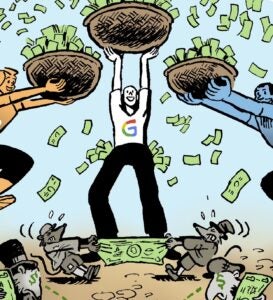
The ever-growing list of “key” metrics publishers are pressured to manage start with good purpose and intention, but often result in drawing attention away from the actual goal. With each new metric-of-the-moment, companies spring up to manage and monetize the measurement—and publishers foot the bill. Publishers are forced to focus so much on individual variables that it becomes increasingly difficult to create the quality content that attracts valuable audiences in the first place.
Automation isn’t enough
There’s no easy button for brand safety, but there are publisher-centric solutions that work. We can’t rely solely on automated brand safety tools at this time. A level of human sanity checks must still be involved—someone reviewing keyword blocklists and monitoring blocked and approved content.
Publishers should take the lead and start conversations with their biggest advertisers, especially in regards to private marketplace campaigns where guidance toward meeting performance goals is appreciated or required. You know your content better than any measurement vendor. With the right publisher technology (not to be confused with buy-side-focused ad tech), you can review blocklists and show advertisers what content they’ll appear next to, and iteratively refine parameters to deliver desired results for all parties.
But publishers can’t do all the heavy lifting – advertisers need to trust publishers to keep them brand-safe, especially on relationship-driven direct sold and programmatic deals. You’ve chosen to work with certain publishers because you value their content. But if you’re using your same open exchange blocklist with direct deals, you’ll block good, relevant content where you could be reaching the trifecta of target audience in context in the right format.
Publishers can strengthen advertiser trust with performance – document how adjusting brand safety blocklists improved campaign results. Nothing speaks louder than fulfilling advertiser business objectives.
With the right technology and approach, publishers can go beyond metric blindness and help all parties involved: advertisers, publishers and readers.
“The Sell Sider” is a column written by the sell side of the digital media community.
Follow Optimera and AdExchanger on LinkedIn.