“The Sell Sider” is a column written for the sell side of the digital media community.
Today’s column is written by Mark Dye, chief strategy officer at Bombora.
Digital publishers have long been challenged to hold onto their fair share of the market. But publishers may never have felt more squeezed than they do now, as new privacy regulations and browser policies limit the ways they can use data about their readers to sell ad inventory.
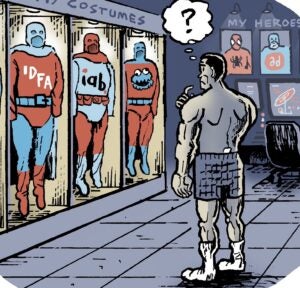
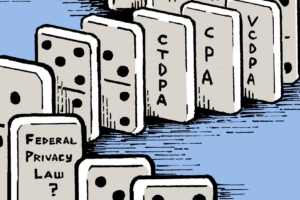
The General Data Protection Regulation (GDPR), California Consumer Privacy Act (CCPA) and privacy-focused updates by Google and Apple affect the entire industry, from advertiser to publisher to consumer. So it’s time for publishers to band together to speak with a single voice, in the form of industry standards, to deal with these new regulations and value exchanges.
And B2B publishers in particular could play a special role in testing how these standards would work.

Lessons learned from GDPR
One of the key learnings from the GDPR rollout is that there has been no consistency in the consumer experience for consent. While GDPR is designed to provide universal controls for how consumer data is stored and shared, the actual landscape that consumers must navigate is fragmented and confusing. Consumers must interact with many user interfaces as they move across the web. They often differ on the placement of the opt-in button, the opt-in language, options and data usage descriptions, just to name a few.
For any standard to succeed, publishers must adopt it widely, and it must be clear and consistent with other consumer-facing UIs, so consumers can easily move through the consent workflow. This is the best path to resolve the two key challenges of compliance and an open internet.
Compliance is obviously a primary concern for publishers. By collaborating on a standard UI, publishers demonstrate that they take consumer privacy seriously. Working collectively ensures that all sites can manage compliance and consent easily and effectively. It also enables publishers to speak with a unified voice to regulators, showing a shared commitment to the greater good, along with strength in numbers.
This unified voice is integral to promoting and maintaining an open internet. If the goal of a standard is to achieve a clear value exchange, part of that effort must be devoted to educating audiences about how anonymous data will continue to grant access to content.
A unique window of opportunity
The tricky part is finding a way to test this standard in action. If we can all agree that the GDPR implementation, from a consumer perspective, has been choppy at best – one that exposed publishers “doing the right thing” to significant risk – then we need to learn from this experience for CCPA. But news, lifestyle and pretty much all consumer-facing sites represent huge swaths of the internet, and it would be hard to maintain consistency across domains.
There is one publishing community that is small enough to universally adopt a standard and a consistent UI, but still have the kind of scale to determine if it works: B2B publishers. This group typically has a clear and unique relationship with its audience. Readers need the content to do their jobs, creating a very different environment in which to communicate to end users.
B2B publishers are also in a position to lead because there is largely still a wait-and-see attitude toward CCPA, and the data that is collected by B2B publishers is done “as a normal course of business.” This is specifically because legislators recognize what makes this relationship different.
B2B publishers can pave the way for a consistent UI that is adopted across the web. This standard would look and feel the same across diverse sites and clearly contain:
- A simple explanation of the value exchange between the publisher and audience
- Opt-in and opt-out language
- Data definitions and usage FAQs
If B2B publishers can execute this task, they would have a great opportunity to build something substantial that could scale across consumer-facing content. It would also give publishers of all kinds the tools to engage with both consumers and legislators, leading the publishing industry into a new era of privacy education and management.
Follow Bombora (@bomboradata) and AdExchanger (@adexchanger) on Twitter.