 Mobile moments – and music – are having their moment.
GroupM predicts that music streaming activity linked to “moods and moments” is a targeting opportunity worth around $220 million in new ad revenue.
Advertisers are starting to take advantage.
Wendy’s, for example, recently hooked up with Spotify as a launch partner on the latter’s Branded Moments product. Now liquor brand Campari is using streaming music to target potential bourbon drinkers.
“We’re looking for an opportunity to connect with consumers in a moment when we’re optimistic that they’ll be most receptive,” said Margaret McDonnell, category marketing director for American whiskeys at Campari America.
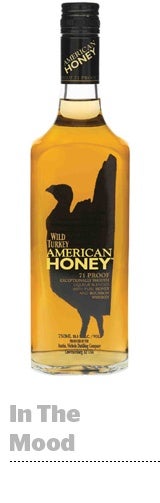
As part of a recent campaign for its Wild Turkey American Honey bourbon brand, Campari targeted consumers between the ages of 21 and 30 with an audio ad on streaming apps when they were most likely to be engaged in particular activities or in a certain mood. That includes getting ready to go out for the night, grocery shopping on the Friday afternoon before a three-day holiday weekend or right before heading to a sporting event.
The brand targeted users listening to streaming music on their devices with a 20-second piece of audio creative that was only served when users were listening but not actually interacting with the screen, so as not to be disruptive. [Listen to it here].
Campari created its moment-based segments strategy with its media agency of record, Mindshare North America, and Aki Technologies, a mobile ad platform that targets users during precise moments based on a cocktail of data points, including current location, location history, app usage, context and length of session overlaid with demographic and psychographic data.
“It’s about trying to reach people when they’re on the go or doing something else and have that message be relevant to the experience they’ve having,” said Aki Technologies CEO Scott Swanson. “When someone’s on the go, they’re not looking at their handset, but they are probably in mental list-making mode.”

Aki creates groups of users based on a general understanding of their basic location, including home, work, out or away. It then utilizes what it knows about that consumer to layer in more specific “micro-moments” tied to the advertiser’s KPIs – for example, reaching a user while at work during a coffee break or when they’re at home getting ready to go to the bar.
Of course, it’s impossible for Aki to determine for sure if someone is pre-partying at their apartment in advance of a night on the town, but it is possible to use location history as a way to make educated guesses.
If a person has a propensity to go out to bars regularly on Friday and/or Saturday nights, it’s reasonable to assume that if they’re at home at 7 p.m. on a weekend evening, they’re probably getting ready to go out.
“There is a fair amount of implied stuff that we have to apply to the targeting here, but we can use certain historical signals as a way to identify users and ideally be more relevant to the experience they’re having or about to have,” Swanson said.
Campari tried to be careful not to target users during inopportune moments. For example, it might seem to make sense to hit a captive audience with a message while they’re at the gym listening to Pandora.
“But you have to ask yourself, how far away are they in that moment from thinking about alcohol and actually going out to buy alcohol?” McDonnell said.
Campari’s audio placement ran across more than 2,000 audio publishers in Aki’s network, driving a 600% increase in brand awareness, according to an independent study from comScore.
“Our brand has low awareness overall, but high loyalty, so it’s important for us to target consumers based on what we know about them when they’re receptive,” McDonnell said. “Because if we can get people aware of us and then get people to trial us, they’re likely to drink and be loyal on an ongoing basis.”
Mobile moments-based targeting is also good bang for the buck, she said. Not that there isn’t value in a big flashy TV campaign with celebrity spokespeople like Matthew McConaughey – “but there’s a big difference between the money we spent on that vs. this American Honey campaign,” McDonnell said.
“With this tactic, we’re more likely to hit a specific consumer in a specific moment as opposed to buying a spot in the season premier of ‘The Walking Dead,’ for example,” she said. “Between those two things, it becomes a question of which one we as marketers find to be more likely to promote a sale – because, at the end of the day, that is what we’re trying to do.”