

When Kimpton Hotels became part of the Intercontinental Hotel Group (IHG) in 2014, it saw potential synergies around data and technology it could share with its parent company and sister hotel groups.
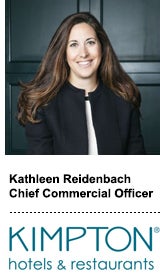
IHG has more than 5,000 hotels around the world from brands such as Candlewood Suites, Crowne Plaza, Holiday Inn and InterContinental. By tapping into that wealth of data, Kimpton could drive new guests to its hotels that had never heard of the brand before, said Kathleen Reidenbach, chief commercial officer at Kimpton Hotels.
“Kimpton is primarily US-based,” she said, “but IHG, with so many destinations across the world, allows us to get exposure and introduce our brand.”
After merging its loyalty program and reservation booking system with IHG’s in January, Kimpton can offer its guests a better experience by extending their access to rewards across all of IHG’s hotels. It’s also able to learn more about IHG’s guests to market to them more effectively and get them to stay with Kimpton.
“Access to more guests is one of the biggest opportunities,” Reidenbach said.
She spoke with AdExchanger.

AdExchanger: What synergies can you leverage for marketing with IHG’s data?
KATHLEEN REIDENBACH: We have the ability to present rates and availability to millions of guests who visit IHG.com.
We can also tap into IHG’s guest data. Guests that have stayed at other IHG family hotels [are] coming in through the front doors who may not have experienced Kimpton before. We’ll gain some insights on their preferences and leverage that.
What’s it been like to align your marketing team with IHG’s?
We’ve had a positive experience. A company like IHG that has global scale brings a great foundation. We know the Kimpton brand really well, our business and the times of the year our properties are going to want to do promotions and engage with guests. IHG brings our brand to a whole new suite of guests and exposes us to new destinations.
We opened The Kimpton De Witt in Amsterdam last April and we have a number of other international projects on the horizon in Shanghai, Bali and Paris.
We’re going to serve [more] content and imagery that speaks to buying behavior. That’s an area we can leverage even more so by tapping into IHG’s systems.
How would you describe Kimpton’s digital strategy? What channels are most effective for you?
We’ve invested a significant amount in digital. We’ve spent a lot of time designing our site so you can get a sense of the brand. We have our blog, Life is Sweet, that allows us to bring our point of view on eating, drinking, travel and design.
On social, we focus on Facebook, Twitter and Instagram, all of them serving a different purpose. Instagram is a great way for us to showcase user-generated content.
From a paid perspective we’ve had a lot of success on Google. But we don’t try to spread our wings too far. We focus on channels, sites and outlets where we’re getting the most eyeballs and traction.
We’re also taking advantage of text messaging. We recently partnered with a company called Kipsu that allows us to create a new communication channel between our guests and our employees while they’re staying with us.
Do you buy programmatic?
We do. It’s part of our media mix. We’re trying to get our arms around it, and it’s something that we’re going to continue to broaden. But I’d say it’s earlier days.
With the integration into IHG’s rewards programs, we have access to a much larger pool of data and audience segments that we can use to personalize content and target ads based on guest preferences.
What marketing channels or technology are you interested in using this year?
Kipsu’s texting service is something we’re going to continue to expand upon. Getting in front of guests in a way that’s not too intrusive but also informative to let them know what’s going on at the property is exciting.
In addition, we’ve been working with influencers. That’s an area we’re going to continue to expand. Influencers are a great way for us to bring our content to life and get in front of potential guests.
We launched our culinary and cocktail trend forecast with a number of food influencers. Instagram has been the most valuable [channel], as well as influencers’ own channels and blogs.
This interview has been edited.








