Home AdExchanger Talks Brands, Please Don’t Add ‘Israel’ And ‘Hamas’ To Your Keyword Blocklists

Brands, Please Don’t Add ‘Israel’ And ‘Hamas’ To Your Keyword Blocklists

SHARE:
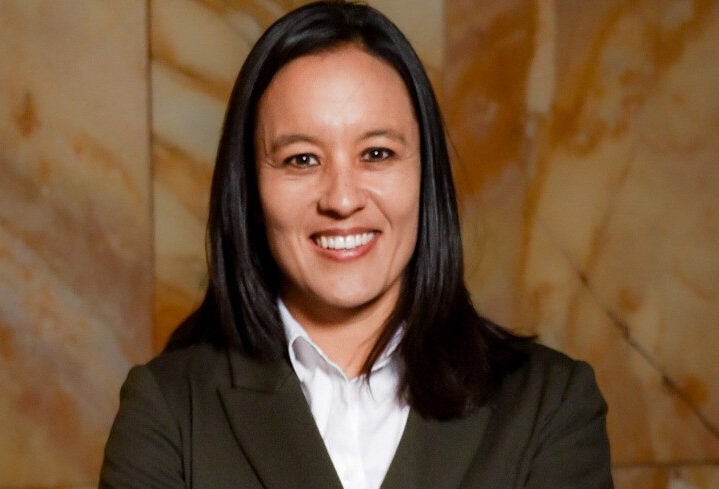
Vanessa Otero, CEO & founder, Ad Fontes Media

The brand safety risk of advertising on trusted news sites isn’t only overblown – it doesn’t exist.

Reliable, high-quality news sources that aren’t intentionally polarizing deserve ad dollars – full stop, says Vanessa Otero, CEO and founder of Ad Fontes Media, a startup that rates the news for bias and reliability, speaking on this week’s episode of AdExchanger Talks.

Brands, of course, have the prerogative to advertise against news. It’s their money, and it makes sense not to spend it supporting false information, propaganda, hate speech, sexually explicit content and gratuitously graphic violence.

But shunning legit news sites for fear of blowback from consumers isn’t a concern with much basis in reality, Otero says. Rather, it’s a knee-jerk reaction that conflates violent content with descriptions of violence.

Any advertisers adding the words “Israel” or “Hamas” to their keyword blocklists right now should take a beat and rethink that decision, she says.

Though brands might find themselves under an unwanted spotlight if their ad dollars support extremist content (left or right), credible news sources (left or right) should be immune from getting caught in the brand safety net.

“It just doesn’t happen that people say, ‘Oh, I can’t believe that this brand advertised next to this unpleasant news story [in this reputable publication],” Otero says. “People are smart, and keyword blocking is dumb.”

Also in this episode: The challenge of promoting media literacy in a polarized society, why Otero doesn’t like the term “misinformation,” intellectual property challenges in the age of AI, the question of whether Twitter/X can sell itself as safe for advertisers and the experience of raising money as an underrepresented startup founder.

For more articles featuring Vanessa Otero, click here.

Must Read

Why Media Mergers And Spin-Offs Don’t Always Keep Their Promises

With media megamergers, acquisitions and spin-offs left and right, the media landscape is changing at a pace that is difficult to keep up with.

TransUnion is partnering with Blockgraph so that advertisers can use its identity data to target, reach and measure TV households across channels.

How This Disaster Relief Nonprofit Tapped First-Party Data To Reach Donors Year-Round

Staying top of mind for potential donors is an ongoing challenge for Direct Relief. Nexxen’s audience curation helped it spread and sustain awareness.

Why Major UK Publishers Are Finally Joining Forces To Curate Ad Inventory

Atria’s collective approach is a response to growing monetization challenges and the need to protect the value of human journalism in the AI era.

Privacy! Commerce! Connected TV! Read all about it. Subscribe to AdExchanger Newsletters
Toronto Canada pride parade includes a crowd waving pride flags

Ad Performance And Politics Steered Brand Dollars Away From LGBTQ+ Communities – But The Pendulum Will Swing Back

The current administration has discouraged many marketers and organizations from showing support for the LGBTQ+ community, including during Pride month.

How AI Can Enhance Content Without Generating It

As much as consumers complain about AI-generated content, advertising experts say AI still has an important place in video creation and production, including for ads. But using AI in content without turning off consumers is a tricky dance.

How Tovala Banks On Subscriptions And Incrementality – But Not Ads – To Profit From Its Oven

Smart TVs, refrigerators and other home appliances may pester you with marketing, but at least the hardware is cheap. Another startup taking a different approach to the same theory is Tovala, which was founded in 2015 and combines a standalone countertop oven with a weekly meal kit subscription.