 Here’s today’s AdExchanger.com news round-up… Want it by email? Sign-up here.
The Trading Desk Conundrum
The party might be over for agency trading desks, writes AdWeek’s Mike Shields as he examines the controversy surrounding the usefulness of independent trading desks. The debate, according to Shields, centers on “whether the agency holding company should decentralize its trading desk practices as programmatic ad buying grows in importance, or continue to house them in a stand-alone entity with its own profit and loss structure.” More.

Social + In-Market
Facebook is adding new offline purchase data from Acxiom, Datalogix, and Epsilon. Advertisers can now target people who buy lots of frozen veggies, for instance, or children’s cereal. They can pluck these segments from Facebook’s self-serve interface, alongside its own social data. Read the blog post on the so-called “partner categories,” along with obligatory privacy assurances. It’s just the latest move in a sustained effort by Facebook to absorb the methods pioneered in traditional display over the past decade.
Video Ad Tussle
Do TV buyers care about online ads? Digiday’s Jack Marshall looks at online video advertising and says, “There are (…) tensions on the agency side, of which sellers should be wary. Despite [Group M exec Ari] Bluman’s comments, a tussle for ‘ownership’ of online video continues in some media-buying organizations. At some, online video has been taken away from digital buyers completely, and handed to a centralized ‘video’ buying team that handles TV, too.” Read more.
Mysterious Ads
Ars Technica’s Nate Anderson unravels the banner ad mystery in which ads showed up on high profile websites like Apple.com and Bing.com. “It suggested that companies felt free to operate as a ‘man in the middle,’” writes Anderson, “one free to inject code of their own choosing into webpage requests that were—so users believed—simply between themselves and the websites they were trying to reach.” Read more.
Ad Tech Is Over
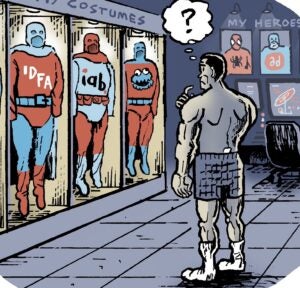
On Ad Age, Turn CEO Bill Demas says ad tech is over. Sort of. He writes in an op-ed, “Marketers have embraced technology. But they are demanding transparency, clarity and ROI, and instead what they often get from the industry is jargon and bickering over metrics and strategies. It’s time we move beyond the ad-tech swordfight and get to a mature position where enterprise technology shapes the future of marketing.” Read more.
Voluntary Ads
PaidContent’s Jeff John Roberts covers some comments Google ad chief Susan Wojicki made at Ad Tech this week. The gist: people should have a hand in the marketing content they see, whether in the context of search, video, or presumably, display. “We’re moving to a model where the user is choosing to see the ads.” She added 70% of YouTube videos are now TrueView, meaning the buyer only pays when the ad is viewed. More.
Google: Phone Home?
BTIG analyst Rich Greenfield asks whether Google should try to put an end to Facebook Home, the social network’s fullest hardware integration currently available on the Android-powered HTC smartphone. Technically, he’s not sure what Google could do to extinguish Facebook Home, but Greenfield does sense an incipient threat: While there is no advertising within the Facebook Home product today, we believe it is only a matter of time until it happens… If Google felt that Facebook spamming the Android home/lock screen with advertising is not in the best interests of Google/Android, why would it not try to stop these type of installs?” Read more (subscription).
Yahoo Bids For Brody
Yahoo is trying to poach AOL’s Ned Brody to a North America sales leadership role — or so little birds tell Kara Swisher. If true it’s a surprise move, since Brody is not a traditional sales guy — having been instrumental in building the AOL Networks (formerly Ad.com) platform strategy. Is Yahoo finally rising to the programmatic challenge? If so… it’s legally complicated. “Because Brody has a 12-month, non-compete agreement with AOL that the Silicon Valley Internet giant, as part of the deal it is close to striking with him, will pay him to not work in that period.” Swisher hears Brody may already have stepped down from AOL. More.
You’re Leaving!
But Wait. There’s More!
- LinkedIn Beefs Up Recruiter, The Company’s Biggest Revenue Driver – AllThingsD
- AOL’s Seth Demsey On Programmatic Buying And RTB Video – The Makegood
- ‘RTB: UK Takes the Lead’, By Nicolle Pangis, President Of Real Media Group – ExchangeWire
- Predicting The End Of Print Yellow Pages Is Not So Easy – Screenwerk
- Facebook Is Testing A New Content Distribution Product That Could Be Huge – Business Insider