

The LGBTQ dating app Grindr’s 3 million daily users spend almost an hour per day on the platform, according to the company. But some advertisers steer clear of dating traffic due to concerns of brand safety. And Grindr’s audience includes subscribers who pay for ad-free experiences.
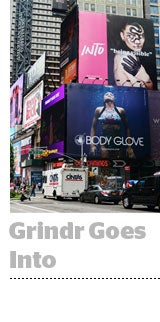
So Grindr branched out by creating lifestyle publication Into, targeted at millennials who want to see coverage about queer culture. Initial advertisers include the TV show “American Horror Story: Cult,” Halo Top ice cream and the HIV antiviral medication Truvada.
“We hear from brands that know their audience is on Grindr, but simply don’t advertise within any sort of dating environment,” said Michele Tobin, the company’s VP of brand partnerships and advertising. “This is very much a brand-safe destination, and offers opportunities for a broader swath of advertisers to reach the LGBTQ audience.”
The company had plans to launch Into even before game developer Kunlun Tech paid $152 million for a 100% stake in the company in May. (It spent $88 million the year before to acquire a majority stake in the app.)
The publication entered beta in March before its official launch this week. Since March, Grindr has tested a number of ways to grow its audience through the app. While users saw display ads and sponsored inbox messages alerting them to the magazine, Grindr wanted to showcase articles relevant for its users all around the world?
Grindr decided to take a “global approach with localized context,” said marketing VP Peter Sloterdyk.

For example, an article about Pride in St. Petersburg, Russia, was distributed to users in that area who were likely to be interested in the local event. An article about trans women in Japan will be promoted to Grindr users in the area.
To further tap into these local stories, the publication hired more than 200 paid contributors around the world.
Into also has used display ads to direct certain users to sponsored Into posts. For instance, when Uber sponsored a guide to Mexico City during the city’s Pride festival, Grindr display ads alerted area users to the content.
Launching a digital publication and gaining enough scale to interest advertisers can be a challenge, but Grindr thinks its strong app user base, as well as its ability to promote the right stories to the right readers, will help it gain traction in the market. “One of Grindr’s unique propositions has always been its ability to reach the LGBT audience at scale,” Tobin said.
During its first beta month, Into attracted 2 million unique users, in part thanks to the content promotion it did via house ads in the app.
Plus, Into doesn’t see a lot of competition. “Many of the publications that currently address this market, and paved the way, have been around for many decades. The audience is much older,” Tobin said.
In contrast, over 75% of Grindr’s users say they are under 35, qualifying them as millennials.
For now, Grindr does not plan to integrate the Into website into its app, but will continue to promote Into content to local audiences, and use the magazine as a destination for brand’s sponsored content.








