
 Here’s today’s AdExchanger.com news round-up… Want it by email? Sign-up here.
Leaky PMPs
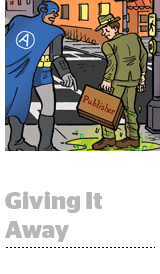
Publisher data leakage is alive and well in 2017, AppNexus CEO Brian O’Kelley would like to remind you. In a blog post, he details four ways publishers are giving away their audience data. The really interesting one has to do with private marketplaces. Suppose, O’Kelley writes, that The New York Times has a deal ID in place for a single advertiser, one targeting movie buffs and one high-income users. When an ad call is made, based on information available in the request, “An ethical bidder would look at these deal IDs, decide if the buyer wants to buy either PMP, and pass if not. An unethical bidder, however, would simply add two data points about me to their database.” Read it.
Network To Get Work
Sinclair Broadcasting Group, the second-largest TV station owner in the US, will make a foray into programmatic TV sales, CEO Chris Ripley announced during the company’s Q4 earnings report Wednesday. Sinclair is also “in active discussions with several other broadcasters to, as a group, create a more robust buy for advertisers,” reports Jon Lafayette at Broadcasting & Cable. Ripley also welcomed the new FCC landscape, which under Trump has shifted from policies favoring tech players to a pro-cable stance. More.

Uninvested
Newspapers used to be owned mostly by publishers, from private companies like Hearst to public chains like McClatchy or Gannett. I know what you’re thinking: “Duh.” But it’s actually no longer the case. In a “complete reversal of historic patterns,” investment firms have snapped up enough dailies to become the largest single category of newspaper owners. By consolidating newspaper audiences for advertisers and seizing low-hanging digital revenue via Facebook or sourced traffic, investment firms can offset some print declines. But those firms don’t come with editorial sensibilities, and often shut down regional papers that don’t perform or fit into the portfolio, regardless of whether it leaves communities in a “news desert.” More at Street Fight.
Dynamos
What if publishers could dynamically price their content and subscription packages the same way airlines do with flights? Frédéric Filloux, editor of Quartz’s Monday Note, points to Facebook and Google as possible catalysts for dynamic subscription pricing. Google could adapt its Play store payments infrastructure to let users unlock content on Google News and Search. Facebook, on the other hand, could develop a model where publishers sell subscriptions over the platform, ideally through a separate news portal that doesn’t use news feed data. Filloux’s theory is nice, but it runs into the age-old roadblock of consumer privacy on walled gardens: Publishers would need access to Facebook’s data to dynamically price content based on what users are willing to pay. Read it.
But Wait, There’s More!
- Snapchat Closes In On $200M Holding Company Ad Deal – NY Post
- Facebook Is Trying To Smooth Over Relationships With The Media – BuzzFeed
- Rubicon Project, Metamarkets Team Up On Programmatic Analytics – release
- Advertising’s Next Step: A Real-Time Ecommerce Network – MediaPost
- Taptica Expands Into The UK – release
- Think Beyond The DSP: An Agency Guide To Programmatic Buying – LinkedIn
- Matomy Launches Managed Native Advertising Channel – release
- Chartboost Launches Playable Ads For Mobile Games – VentureBeat
- InMobi Expands Mobile Video Ad Solutions – release
- Outfront Media Begins Deployment Of Smart Transit Platform In Boston – release
- Facebook’s Mid-Roll Commercial Breaks Are Ready For Primetime – Ad Age
- ComScore Enhances Mobile Viewability Metrics For YouTube – release
You’re Hired!







