
 In a striking coincidence, Turner Digital Ad Sales’ launch of its private marketplace comes a day after former ad chief Walker Jacobs, who regarded programmatic methods suspiciously, joined Clear Channel Outdoor as chief revenue officer and president of sales.
In an interview with AdExchanger a year ago, Jacobs, who resigned as EVP, Turner Digital Sales in May, said a “downside of RTB and private exchanges is that it fragments audiences.” Still, Jacobs was not completely averse to using automation to help manage direct digital sales through the Turner Network offering, which he had helped institute for certain large advertisers.
Turner Premium Xchange, powered by the Rubicon Project, is a much bigger dive into programmatic waters than we have previously seen from the Time Warner operator of TV networks TNT, TBS and CNN and Web properties like sports blog network Bleacher Report and Will Ferrell’s Funny Or Die.
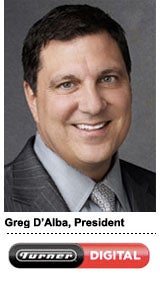
Greg D’Alba, president of CNN News Networks and Turner Digital Ad Sales and Marketing, said in a statement that “the majority of our business remains committed to developing customized sponsorships.”

According to D’Alba, Turner has concluded that without a clear, organized way of letting advertisers set up automated buys on a real-time basis, money is being left on the table.
Despite the embrace of private marketplaces over the past year by major publishers such as The New York Times, Time Inc., Viacom and Condé Nast, most say only a small fraction of their inventory is going into exchange-based systems. The implication is that the embrace on the part of large publishers remains tentative.
Over the past few months, companies such as AdSlot, isocket and others have been presenting publishers with the promise of having their programmatic cake and eating it too — without the need for a private marketplace. The notion of “direct programmatic” is what those companies are selling as an alternative to programmatic.
As isocket CEO Richard Jalichandra has noted, “About 70% of all ad sales are still direct, which means that publishers still do not feel comfortable putting their premium ad inventory on exchanges for real-time bidding,” which include private marketplaces.
Still, as attractive as that option may sound to publishers, it all comes down to where the ad dollars are coming from. And if advertisers and agencies would prefer to use a system like a private exchange, as opposed to funneling their buys through another apparatus, that will ultimately decide the method and technology for publishers.
In that sense, Turner’s choice to open up the door to automating its ad sales through a private exchange will only put more pressure on the publishers still holding out to see if other avenues for segmenting their audience and inventory more efficiently and accurately can appeal to buyers and marketers.








