There have been several changes at Medialets in the three months since WPP snapped up the mobile ad platform.
It’s got a new chief exec – COO Richy Glassberg took over as CEO from Eric Litman, who remains involved in the company as chairman – and it’s doubling down on its Media Rating Council (MRC) accreditations.
Medialets, which received its first MRC blessing for its buy-side mobile ad server Servo in February 2014, announced Monday that it has added mobile web and in-app rich media and video impressions to the list.
Without third-party verification, it’s hard to expect advertisers’ trust, said Glassberg.
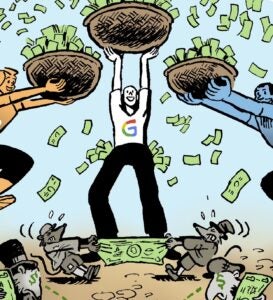
“There is no other advertising medium in the world where the inventory sources judge themselves,” he said. “Nielsen isn’t owned by Fox, the Audit Bureau of Circulation isn’t owned by Condé Nast and Arbitron isn’t owned by Clear Channel – but DFA is owned by Google, the largest seller of media, and that’s a big problem.”
Although Medialets operates as an independent entity within WPP, it’s a stance that makes sense for an agency under the same umbrella as GroupM.

John Montgomery, COO of GroupM Interaction for North America put it rather succinctly at AdExchanger’s Clean Ads IO show in June: “You can’t measure yourself.”
Montgomery was referring specifically to viewability, a topic that’s top of mind for Glassberg, a co-founder of the Interactive Advertising Bureau and current chair of the IAB’s mobile measurement committee.
Glassberg is particularly cynical when it comes to the 100% mobile viewability claims that started to pop up after in mid-May a few weeks after the MRC issued its interim guidance on mobile viewability measurement.
“I’m highly skeptical of people making claims around things that the industry has not yet agreed on the definition of,” he said. “People should help the industry move forward rather than making claims that are not substantiated.”
In the same vein, companies like Moat, Integral Ad Science, DoubleVerify and the others will need a mobile viewability standard in place before they can build technology that meets that standard. A full set of mobile standards is expected by the end of the year.
“Until the standard is written, no one can honestly say that they’re really counting it,” Glassberg said. “And be wary of the people who have technology ready the day the standards come out.”