 Vindico, a buy-side video ad server, on Tuesday rolled out the Vindico MatchPoint platform, designed to let advertisers onboard first-party records to match against Vindico’s database of consumer profiles.
MatchPoint is integrated with the Vindico Bid Manager, a DSP the company made generally available Tuesday; it has built-in viewability capabilities powered by AdTricity, a video ad-measurement platform the company launched in March 2013. Vindico Bid Manager’s roster of inventory partners include AppNexus, Adap.tv, LiveRail and SpotXchange.
Vindico’s president Matt Timothy earlier this year hinted the video ad server would enhance its programmatic products to offer automated work flows as well as viewability and measurement services that connect buy and sell sides more transparently.
Although Vindico operated as a subsidiary of one of the first ad networks (Broadband Enterprises) before its acquisition by Specific Media in 2010, Timothy repudiated this categorization because the company doesn’t own or represent inventory. Vindico’s value proposition has always been to connect buyers and sellers in a way that ensures the efficacy of a campaign, he said.
“With all of the data that was spawned (from all of our services) we realized you could transact on it in a very different way: programmatically,” Timothy said. “We weren’t pivoting our company from being an ad network and we weren’t fueled by VC dollars in order to go disrupt the market. We’ve taken a very organic, deliberate approach to this.”

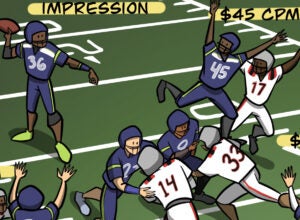
Vindico believes ensuring viewable impressions is a key to transacting more efficiently within the broader digital video ecosystem. The Media Ratings Council (MRC) is expected to lift an advisory against buying and selling video ads based on viewability by the end of June, following recent moves it made on the display side.
“We are in the process of talking to everybody who’s a supply source – it’s about how do you accumulate quality and make it a place where premium guys are (less skittish) on programmatic?” Timothy said.
“Will an (MRC accreditation) go far enough?” he added. “No. But at least we’re getting to the basic construct that if I am an advertiser, my ad (has the) opportunity to be seen. We’re drinking our own Kool-Aid if we think TV dollars will flow here if we can’t get our house in order.”