


In the age of streaming services, it’s easy to overlook the enduring power of linear TV. But even though platforms like Netflix and Hulu have captured a significant portion of the market, traditional television still reaches a massive and valuable audience.
And, as a result, linear TV remains a vital component of any effective advertising strategy.
By the numbers
According to Nielsen, over 70% of American households still subscribe to traditional cable or satellite TV. This represents millions of potential customers that streaming-obsessed advertisers are missing.
Furthermore, most ad-supported streaming services still lack the reach of linear TV. While Netflix boasts over 80 million subscribers, only a fraction of those are ad-supported – a fraction that’s largely overshadowed by the roughly 58 million pay TV subscribers. Add to this increasing subscription fatigue, and the reach of streaming TV is further decimated (relative to linear) due to fragmentation.
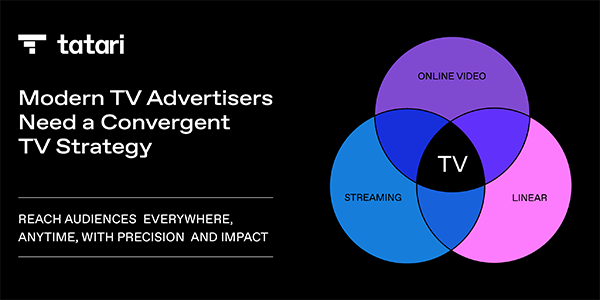

This insight is reinforced by our ongoing conversation about convergent TV: The blending of traditional and digital TV opens up opportunities to reach audiences on multiple platforms, maximizing campaign effectiveness.
In the world of TV advertising, scale is the true name of the game, and streaming may be at its limit. The Nielsen Gauge report found that, while streaming continues to grow, its reach remains limited compared to traditional TV.
Plus, MediaPost reported that, after observing a substantial viewership boost quarter over quarter throughout the last three years, the share of time spent streaming leveled off for US households in Q1 2024 (coming in at 57%, a slight drop from the 58% reported in Q3 2023). This suggests streaming may be nearing its saturation point, while linear TV continues to hold a significant share of viewership.
Streaming limits ad opportunities
This coincides with our recent discussion on how much CTV ad inventory is still controlled by linear TV. The reality is that 25% of CTV ad inventory is exclusively available through linear channels, highlighting how much advertisers stand to miss out on by focusing solely on digital streaming.
Linear TV is also really effective at delivering contextual advertising. When a commercial for a new action movie airs during an intense sports broadcast, it creates a natural synergy between the content and the ad, making viewers more receptive to the message.
This level of contextual relevance is difficult to replicate in the fragmented world of streaming. And linear TV often carries the more exciting (and, as such, contextually rich) content, such as breaking news, sports and award shows.
When major news stories unfold, viewers turn to traditional television for reliable coverage and commentary. Similarly, live sports events continue to draw massive audiences, creating powerful moments for advertisers. Multiple studies by the IAB have proven that contextual targeting significantly enhances ad effectiveness and increases viewer engagement, reinforcing the power of context in traditional TV advertising.
And then there’s the matter of available inventory: According to Get The Score, in the first half of 2024, 87% of all ad time on TV was viewed on pay TV or broadcast, with only 13% on streaming platforms. This data underscores that time spent watching content does not necessarily equate to available ad inventory, a crucial point that advertisers need to keep in mind.
Multichannel for the win
The key to success in the digital advertising landscape lies in embracing a multichannel approach. While streaming offers valuable tools, it shouldn’t replace the proven power of linear TV. By using both platforms, advertisers can reach a wider audience and achieve greater results.
In short, linear TV remains a vital component of the advertising landscape. Its wide reach, contextual relevance and ability to capture live events make it an indispensable tool for reaching a massive and engaged audience.
By understanding the strengths and limitations of both linear and streaming TV, advertisers can develop more effective campaigns that resonate with their target market.
For more articles featuring Philip Inghelbrecht, click here.








