 Agencies are not transparent about their actions. Agencies recommend media that is off-strategy when it works for their gain. Agencies accrue media earned by advertisers’ spending and resell it to other advertisers. Agencies demand pay-for-play from vendors in order to be recommended, and cross the line in partnership relationships.
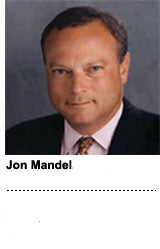
These are among the claims made by Jon Mandel, former Mediacom CEO and chairman/CEO at the consultancy Dogsled Enterprises. Mandel addressed marketers Thursday at the ANA Media Leadership Summit, in a presentation that elicited a chorus of hushed whispers from those in attendance.
The news was controversial enough that the ANA prefaced it with antitrust warnings, worried that marketers might collectively (and illegally) rise together to combat the practice.
“It’s been happening in a big formal way for a decade,” Mandel said, saying he estimated kickbacks are in the nine figures annually across the industry. “It’s gotten so big that agencies have developed new divisions just to monetize all the gains.”
In the wake of the presentation, GroupM (which owns Xaxis) released a statement addressing and denying Mandel’s claims.
“In the US, rebates or other forms of hidden revenue are not part of GroupM’s trading relationships with vendors, and its agencies have not sought nor received any rebates from US media vendors or other parties with whom we do business on behalf of our clients,” said GroupM Chief Digital Officer Rob Norman. “In other markets around the world, rebates are sometimes part of the buy-sell relationship between agency and vendor. GroupM returns those rebates to advertisers in compliance with and as required by our client contracts.”
Mandel presented a variety of evidence to support his claim.

Perhaps the most damning was an actual contract between an agency and seller, which showed a 2% commission and an additional 9% to the agency. “It used to be you got creative, market research and trafficking for 11%. This is 11% just for placing your media,” Mandel said.
Agencies used to request cash rebates, but now often request bonus inventory from sellers, which they accrue at the agency level and “monetize through various structures suck as dark pools and trading desks,” Mandel said.
Another opportunity for kickbacks comes when agencies form partnerships with companies or take a stake in them.
“I had a conversation with an ad tech CEO where he said, ‘I’m doing all these deals with the agency groups, and they want their normal kickbacks and overrides, but this one CFO had the balls to ask for 10% of my overall profits on top,’” Mandel recalled.
Marketers should be suspicious of the fact that agencies CFOs and M&A departments sit in on media deals, which is where they negotiate these rebates. In return for a 10% or 20% stake in a company, an agency will promise to flow a certain amount through the platform.
Advertisers pay agencies less than they used to, but agency profits have exceeded the 1% growth of the industry. “If it’s growing at a higher-than-GDP basis, the money is coming from somewhere,” Mandel said.
Some marketers may be okay with some of these practices. One marketer who saw the presentation noted the company only allotted a certain amount of money for its agency, which was not under the marketer’s control. Agencies trying to reclaim some of their money made sense, since, as Mandel said, “there’s no such thing as a free lunch.”
Mandel encouraged marketers to ask their agencies tough questions, but said that many agencies have structures in place to create plausible deniability. “Be very careful of how you ask the question and watch the answers,” he said.
Marketers should lay out the terms and conditions before they sign a contract. They should request audits. They should demand alternatives on every spending decision. And they should always, always reach out to vendors not on an agency’s recommended list and test those vendors.
“We can brainstorm ways the process could be improved, and create master list of these ideas,” said ANA group EVP Bill Duggan. “They won’t be all consistent, they’re likely to be mutually exclusive, and we can decide which of these ideas to pursue.”
Updated with statement from GroupM.