

 Rocket Fuel is sitting pretty in its first quarterly earnings report since going public in September.
The company saw Q3 top-line revenue growth of 132%. Its customer base reached 938, up from 406 in the third quarter of 2012, and headcount grew to 552 – about on par with AppNexus. Press release.
Impressive as those stats may be to Rocket Fuel’s investors, they’re nothing compared to its margins – which jumped from an already robust 54% one year ago to 58% for the just-ended period.
Management sought to downplay the increase, which comes as some other ad-tech players feel pressure on margins. (Criteo’s margin, for example, was 42% last year, according to its F1 filing, but only 40% so far in 2013.)
“We do not expect revenue less media costs to improve or even maintain current levels,” said Rocket Fuel CFO Peter Bardwick. He said Q4 will likely see higher media costs, as a result of higher advertiser demand during the holidays.

He hinted the company would lower margins to preserve advertiser goodwill. “It is in our DNA to focus on customer satisfaction, and we intend to continue to share the fruits of our technology innovation with our customers.”
During the Q&A period, BMO Capital Markets analyst Dan Salmon asked a question on the impact of Facebook’s direct-to-advertiser retargeting solution, rolled out in October. Could it hurt Rocket Fuel’s prospects on FBX?
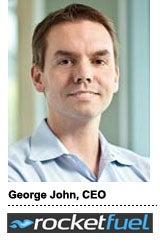
Rocket Fuel CEO George John suggested the company would compete effectively in the same way it did before – by pitting its algorithms against others’ and delivering performance. “I don’t see an impact to our business through Facebook based on the native offering of FBX retargeting.”
Fielding another question on M&A, John said, “There are some [companies] on the smaller side where we’re a few meetings in right now. Generally, the types of companies are those that have relationships with advertisers that provide technologies that are really complementary,” especially on data and measuring campaign effectiveness.
Mobile, social and video together represented less than a third of Rocket Fuel’s revenues.
Shares rose slightly in after-hours trading.








