 Among the findings of this week’s programmatic survey from Forrester and the Association of National Advertisers is this alarming nugget:
Programmatic adoption could be hindered unless marketers continue to push for transparency – and make progress getting it.
“We need to move from awareness and education to policy and action,” said Jim Nail, principal analyst at Forrester, in a follow-up interview with AdExchanger. “I worry there is a ceiling to this growth if we don’t address these issues of fraud and transparency”
According to the research, twice as many marketers are spending programmatically compared to two years ago. But they’re not satisfied with the current setup, according to the report, which was presented Friday at the Masters of Marketing conference in Florida.
Marketers expressed two main transparency-related concerns with programmatic.
About two-thirds of respondents said they are concerned about buying fraudulent or unviewable inventory. And marketers are not even sure if they can trust those buying inventory for them, since many operate with masked margins ad models. Fifty-five percent were concerned with the lack of transparency in firms along the supply chain, for example, compared to just 21% two years ago.

The actions marketers are taking now to address these issues fall into more of the baby steps category. Sixty-two percent are requesting detailed campaign guidelines from their agency, the most popular action to increase transparency. Half are updating blacklists, and 45% target white lists. About half have brought in technology to monitor for bots.
It’s a start.
“It’s the advertiser’s money, and they need to take an active role in the money spent and the ROI on those dollars,” ANA group executive VP Bill Duggan said. “The advertiser’s voice speaks volumes.”
But fewer marketers are making big changes. Only one quarter created restrictions to buying ads on pages with sourced traffic, a major source of fraud. And just 15% of marketers have created private marketplaces specifically to make buys more transparent.
Thirteen percent have pulled money out of programmatic because of these concerns.

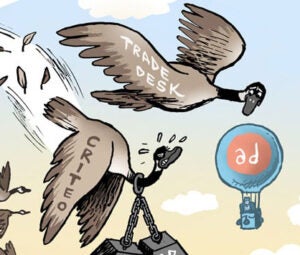
Over The Agency Trading Desk, But Not Going In-House
One idea that has gotten significant attention over the last year, bringing programmatic in house, isn’t all that popular. Only 15% of marketers have done it.
But marketers are rethinking their agency relationships vis-a-vis programmatic buying.
Some respondents said they initially went with “undisclosed” programmatic models for reasons more circumstantial than intentional. Responses included “we leaped before we looked” and “[we] feel forced into it from the agency holding group, rather than opting in.”
Marketers are already making changes to shift away from these models, Nail reported. One marketer said it was in an undisclosed model because of a “legacy agreement,” but that the company is “in negotiations to unbundle the fees.”
Another marketer likewise said it first chose an undisclosed model because it was the only option, but its team will soon establish an open model with the agency.
Recommendations
The ANA recommended that marketers develop more internal resources, such as assigning marketing team members to dig into agency and tech partner contracts and bringing on new fraud and viewability measurement partners.
Duggan is interested in the idea of a chief media officer to head up media investments. “Gone are the days where you can have a generalist oversee the creative and the media. The media landscape has become so complicated, even midsize and smaller companies would benefit from having someone focused on media.”
While issues like fraud may never be completely stamped out, Nail said marketers can expect to improve transparency from agency and technology partners. The days of multiple agency and tech partners each taking a 10-15% cut will have to end.
The current undisclosed agency trading desk models stem from agency holding company growth. “All of a sudden holding companies are looking out for their interests more than their clients’ interests, and longer term that just doesn’t work,” Nail said.
“Over history, there have been various episodes where different kinds of shady practices are employed, and they never last long,” Nail said. “At the end of the day, the agencies that thrive are the ones that serve their clients.”