
Home Ad Exchange News EMX Files For Bankruptcy

EMX Files For Bankruptcy

SHARE:
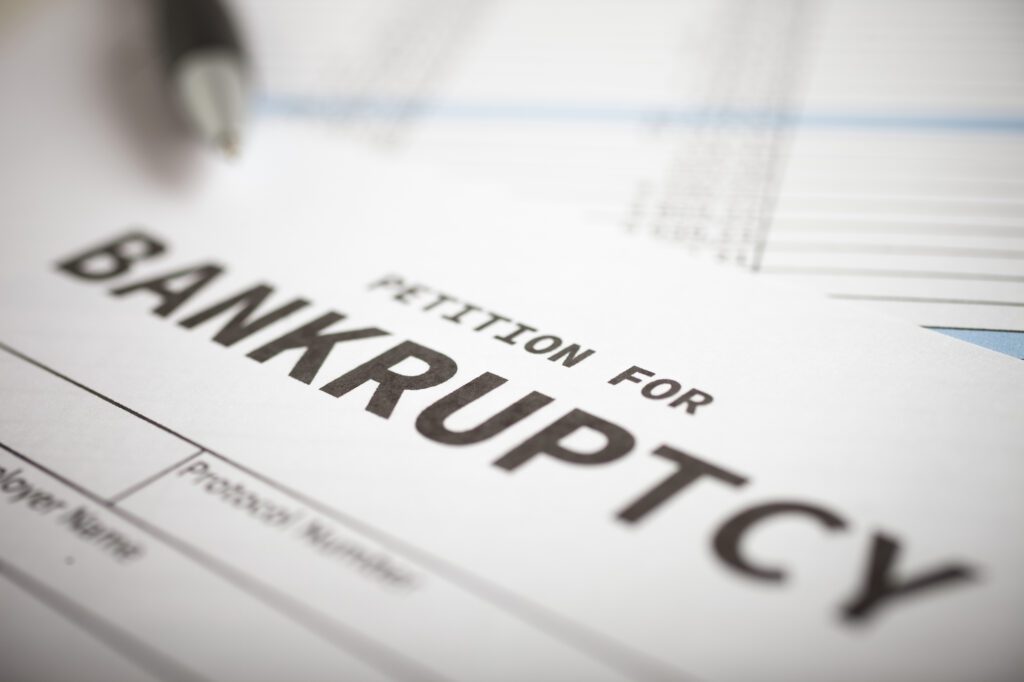
bankruptcy filing
Close-up of a bankruptcy petition

Digital ad marketplace EMX (ENGINE Media Exchange) and its New York-based parent company, Big Village, have filed for bankruptcy.

Big Village filed a Chapter 11 petition alongside its affiliate, EMX Digital Inc. on Wednesday.

AdExchanger has learned that EMX shut down most operations and let go almost all of its employees as of Thursday, according to a source familiar with the matter who asked to remain anonymous.

A small skeleton crew remains employed at EMX, but it is unclear whether the company will continue business in some capacity as it navigates through the bankruptcy process.

EMX failed to pay its publisher partners, possibly as far back as January 2022, the source said. As of last month, 50% of publishers had cut off their relationship with EMX’s platform due to non-payment, although the marketplace was still honoring bid requests from advertisers.

According to the source, it’s unclear which entity operating under Big Village’s umbrella owned the debt that accrued as a result of publisher nonpayments.

Big Village is backed by venture capital firm Lake Capital Partners, which was responsible for the decision to file for bankruptcy. Lake Capital had been looking for a buyer but was unable to secure one.

AdExchanger reached out to Big Village for comment but did not receive a response in time for publication.

Big Village was previously known as ENGINE before its rebrand in June 2022. EMX was founded in 2018, when ENGINE acquired automated ad marketplace bRealTime and data platform Clearstream and combined them into a single entity to power its programmatic business.

Correction 2/9/23: This article originally said ad agency Trailer Park Group was part of Big Village’s bankruptcy filing. Trailer Park Group was sold to Erie Street Growth Partners and Origami Capital Partners in August 2021 and was not impacted by this filing.


Must Read

T-Mobile Brings Its Mobile Data Exclusively To Vistar To Scale Up DOOH Targeting

Advertisers can now use Vistar to activate both off-the-shelf and custom audiences built on T-Mobile’s first-party location and app data.

Apple Has Far-Reaching Plans To Block Hundreds Of Programmatic Data Companies From iOS

Apple’s WebKit crackdown appears to extend well beyond The Trade Desk, putting hundreds of ad tech, data and identity vendors on a mysterious, dynamically updated block list.

Josh Reed, Zoom's VP of brand and content, speaking at AdExchanger's Programmatic IO event in New York City (September 28, 2006)

Zoom’s Marketing Challenge Is That It’s Too Well Known For Its Own Good

Zoom has 99% unaided brand awareness, which sounds great on paper. But there’s a catch: Most people still think it’s just a video-call app.

Privacy! Commerce! Connected TV! Read all about it. Subscribe to AdExchanger Newsletters

Why Agencies Think They Shouldn’t Own Agentic AI Tools Or The Data Used To Build Them

Agencies are differentiating their tech stacks by building custom agentic AI tools for their clients. And they’re rethinking owning those AI tools – particularly since licensing them creates new revenue streams.

Programmatic IO: Insurers Are Building Ad Tech’s AI Accountability Layer

Agencies and marketers discussed the future of AI governance at AdExchanger’s Programmatic IO NYC this week. The main takeaway? Expect insurers to play an increasingly important role in managing AI compliance.

Apple’s Latest Operating System Blocks The Trade Desk From Serving Ads On Safari

The Trade Desk is unable to serve ads to the Safari browser for Apple device owners that have downloaded iOS 27. Apple has been investigating the issue since last week.





