

 Publishers looking for new digital dollars have homed in on native and custom advertising packages. These initiatives, more than programmatic, served as the focus for the MediaNext conference Monday through Wednesday in New York City, where the publishing community convened to discuss the status of integrated marketing campaigns.
“More advertisers are separating their budgets, with 50% on programmatic and 50% on programs that are about social engagement or search engagement. We’re going after the non-programmatic budgets,” said Ryan Harwood, CEO of lifestyle publication PureWow.
Many publishers saw far more value in leveraging their social media followers, and in-house content team to develop custom offerings like games, sponsorships and custom creative. Display ad boxes and rectangles exist, but often are tacked on to add accountability to formats that still don’t have deep analytics.
“What I’m seeing in the market is the low hanging fruit display dollars are going toward programmatic,” Harwood said.
Canadian publisher Jobpostings underwent a dramatic shift to accommodate the changing needs of advertisers. “Five years ago it was so simple,” said publisher Nathan Laurie, “You’d sell a full page, half page, or quarter page.”
These days Jobpostings ads go beyond a box. “Our packages have turned into sales that involve content online, done by our writers, similar to native advertising, and social media integration. We’re marketing the web, and giving the print away for free,” Laurie said.

However, building custom programs and native programs strain publisher resources. Additional hiring may be necessary, but publishers are also figuring out how to standardize some of their native campaigns in order to make these custom programs scalable. Jobpostings creates packages at “bronze,” “silver” and “gold” levels to standardize the mix for each advertiser.
Yet, certain campaigns require unique resources – but yield high rewards.
The Economist ran a yearlong program with GE, “Look Ahead,” which the corporation renewed for an additional year, featuring daily sponsored content. GE marketed in The Economist because of its global presence, but it still required outside help to support the campaign.
CRO David Kaye recalled how The Economist brought in Vayner Media to help with social media, BBDO for video, Edelman for PR, and LinkedIn and Outbrain to extend the distribution. That was in addition to sizeable production costs. “You’ve got to pay for earned media,” Kaye said.
The results bear that out: GE’s campaign delivered 1.5 million interactions, 14,000 social shares, 49.9 million ad impressions and 7.7 million uniques. Familiarity with GE increased 10%.
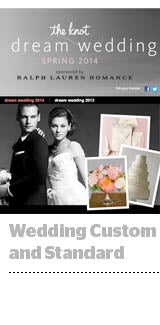
Even with incredibly custom campaigns, clients may still want traditional advertising. When XO Group, whose publications include The Knot and The Nest, brought on Ralph Lauren Romance to sponsor a wedding between two Boston Marathon survivors, the perfumer didn’t count its logos on XO Group’s sites as brand impressions. XO Group added 300×600 banners in select locations, which enabled it to offer additional tracking opportunities for attribution.
Understanding and responding to those parameters means the difference between success and failure of an integrated campaign, said Carrie Reynolds, VP of sales and marketing solutions for XO Group.
The dream wedding delivered 55 million media impressions as whole, including earned media in lifestyle magazines and on “The Today Show.” That helped bring down the brand’s perception of cost. “They knew it would be a high net effective CPM, and they were fine with it because of the halo,” Reynolds said.
It’s campaigns like these, which bring together performance elements like banner ads with something as custom as sponsoring a wedding, that publishers look to as the future of monetization.
Undiversified publishers will wither. “You’re going to see a lot of those networks and portals that depended on turnkey, easy display solutions go away over time,” Harwood predicted.







