


Ethnically diverse consumers have growing purchase power and are attracting the attention of advertisers.
But they can be hard to effectively target, which is why buyers are partnering with publishers that serve these audiences and with ad tech companies that aggregate content from those publishers.
One such company is Mirror Digital, which launched as an ad network in 2012 and later evolved into an aggregator of culturally relevant online content made for diverse audiences. It also owns several sites featuring content for women of color, such as Reflect Beauty, and sites with information about historically Black colleges and universities, such as HBCU Buzz.

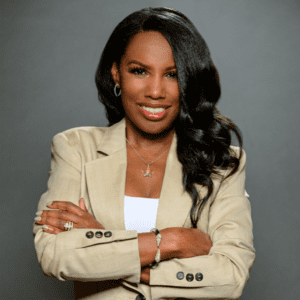
Mirror Digital expanded into online publishing and content aggregation to gain more control over the inventory it’s selling, said Founder and CEO Sheila Marmon. The company still sells some media programmatically through other supply-side platforms, although it doesn’t have its own because it considers itself a content aggregator.
By aggregating ad inventory from smaller publishers with similar content verticals and audiences, Mirror Digital can offer brands considerably more scale than they’d normally get when marketing on content niches that attract diverse consumers from different cultural backgrounds, Marmon said.
AdExchanger spoke with Marmon to learn more about the nuances of selling media meant for multicultural consumers.
AdExchanger: What do advertisers need to know about reaching diverse audiences?
SHEILA MARMON: Resonating with multicultural audiences takes more than just making creatives with Black and Brown faces and hoping that communities recognize you’re speaking to them.
Brands need to integrate themselves into and around the content these audiences are actually consuming. The ad industry talks about authenticity a lot, but representation is essential to getting noticed by minority groups.
How do you sell inventory?
We sell most of our inventory directly to make sure we can help brands plan campaigns that align with specific content categories their desired audience is likely to be consuming across social media, websites and podcasts, for example.
Programmatic is less ideal because we aggregate content from smaller-scale publishers that, compared to larger publishers, have less inventory to sell and therefore have fewer available impressions that would fall into a buyer’s parameters.
Are there other reasons why programmatic isn’t ideal for reaching diverse audiences?
Yes, the ad tech tax. Planning and buying against specific multicultural audiences is more expensive for buyers than a more general audience. In our case, the tax is too high compared with the cost of ads. The higher the CPMs, the bigger the cut a programmatic platform takes.
Keyword blocking in demand-side platforms also poses some problems in that it can prevent ads from running in places that are actually brand suitable.
What role, if any, does programmatic play in Mirror Digital’s media strategy?
We do still help our publishers place their inventory into programmatic platforms such as Google Ad Manager because programmatic maximizes inventory yield by backfilling unsold ad space. But we currently sell over 90% of our impressions via direct deals.
How do you distinguish between the importance of diverse-owned versus diverse-targeted media?
Diverse-owned media has a special role in the media and advertising space because many launched specifically to serve the needs of different communities. Media dollars can go further in diverse-owned media compared with just diverse-targeted media because those dollars reach minority audiences while also funding companies designed for that purpose.
But that’s not to diminish the importance of diverse-targeted media that’s not diverse-owned.
Diverse-targeted media is also integral to helping brands reach more of the multicultural audiences they’re looking for by providing more scale than what might exist in smaller, minority-owned media companies.
[Editor’s note: An example of diverse-targeted media would be Black Entertainment Television, a channel designed for Black audiences that’s owned by Paramount.]
This interview has been edited and condensed.
For more articles featuring Sheila Marmon, click here.








