
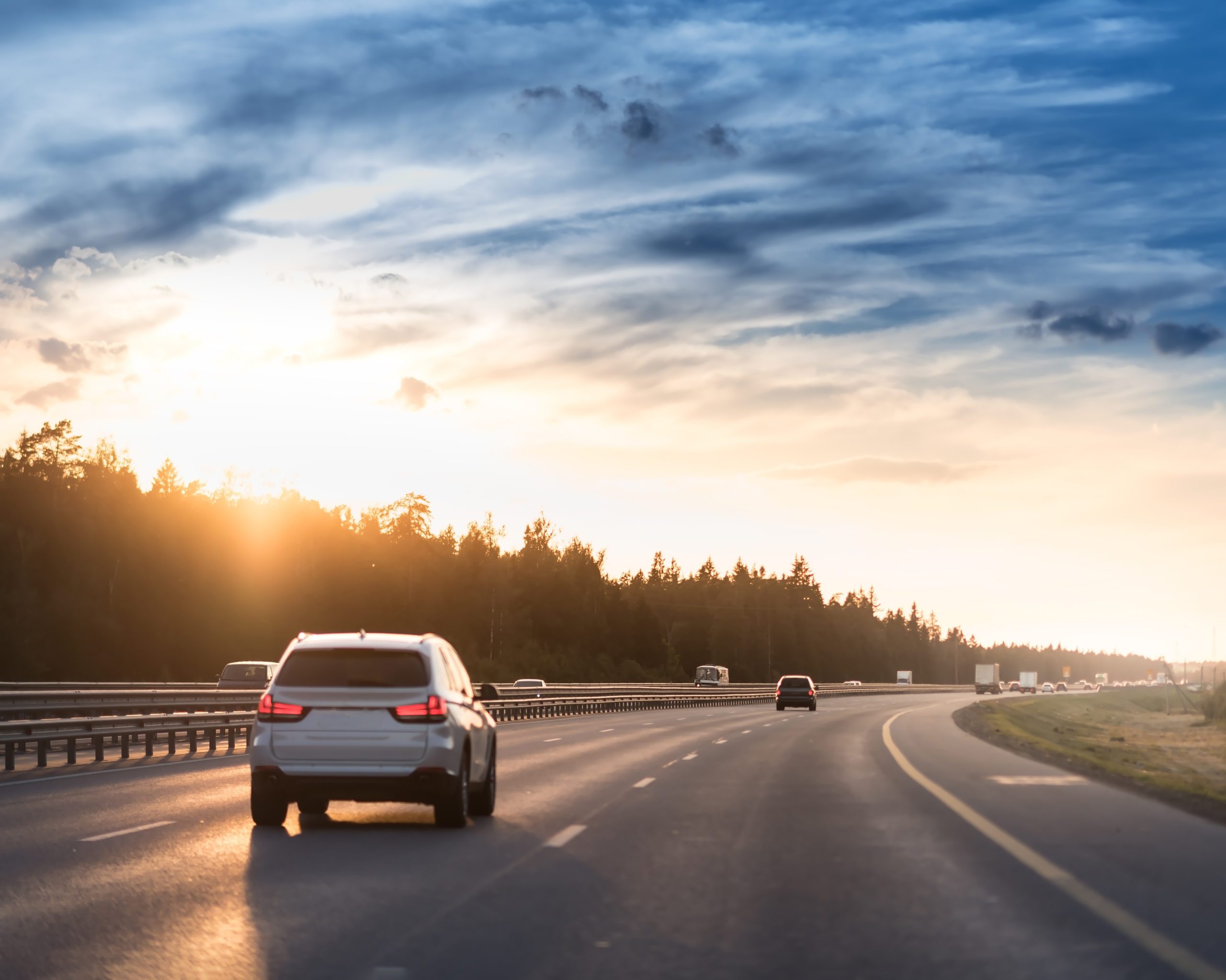
 Anyone down for a road trip?
Travel brands including Disney Resorts, Wyndham and Hilton are looking toward regional and local travel experiences as a way to generate some demand as the coronavirus plays out.
“We’re retooling our approach to go-to-market … to be much more about local business and, in the beginning, drive to business,” said Christopher Nassetta, CEO of the Hilton hotel company, on the company’s Q1 2020 earnings call Thursday. “Those that are willing to travel are only willing to go so far from home.”
Hilton operates thousands of Hampton Inns and other limited service hotels across the United States, which are “very well set up for that sort of local street corner and drive-through business,” Nassetta added.
Wyndham Worldwide, which owns hotel chains such as Days Inn and Travelodge, expects 90% of its hotel occupancy to come from drive-to travel for the rest of the year, up from 70% prior to the pandemic. The vast majority of Wyndham timeshare owners live a two- to three-hour drive from any one of its resorts, CEO Michael Brown said on the company’s Q1 2020 earnings call.
“The footprint of our resorts is really supportive of drive-to destinations,” he said.

Wyndham timeshares also include kitchenettes, so as people begin to travel again, they can opt to cook in their units if they don’t yet feel comfortable going to restaurants.
And while Disney’s parks remain closed, the company expects drive-to business to ramp up first at its Anaheim, California Disneyland park, which attracts fewer overnight guests than its Orlando, Florida park, said CEO Bob Chapek on the company’s Q1 2020 earnings call.
As the curve flattens and the nation works toward a vaccine and a treatment, people will start feeling more comfortable leaving their homes. Especially as the weather warms up in the United States, people will still have an itch to travel.
“The natural human reaction is … maybe I’ll move around the region, to the region next door, eventually I’ll cross the country and go on a plane around the world,” Hilton’s Nassetta said.
But urban locations such as downtown Manhattan, which tend to be the largest tourist destinations, will be the last to reopen, Wyndham’s Brown said. And hotels will have to focus on safety measures, for example, checking in guests at their rooms rather than in the lobby and ramping up cleaning protocols, to make consumers more comfortable with local travel.
“Getting those protocols and processes in place is a lot of work, and we’re not going to rush back into it,” Brown said. “It’s more important that our owners and our members feel comfortable with their stay.”
At Disney, cruises will likely be the last travel-oriented business to make a comeback, while parks will only be able to reopen at limited capacity and with strict safety protocols, Chapek said. At Disney hotels, occupied room nights were down 13% in Q1.
Ultimately, the hotel business won’t fully bounce back until people are comfortable getting on airplanes, Hilton’s Nassetta said.
“The airlines are a gating issue,” he said. “I absolutely think [we] can get a significant amount of recovery before you get there, [but] people have to be comfortable getting on planes.”