

 The Stihl Timbersports series was already a case study on successful sports marketing. Now the chainsaw and outdoor equipment manufacturer hopes to set another example for how classic TV events will transition to online video and streaming.
Stihl created the Timbersports Series in 1985. It was picked up by ESPN, then a plucky broadcast startup, making Timbersports ESPN’s longest-running TV production, aside from the anchor show SportsCenter. Timbersports gained a following during the mid-summer sporting lull before football starts, but after the hockey and basketball seasons end.
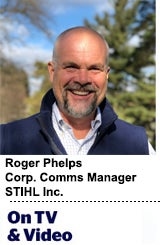
With no new Timbersports Series this year, since Stihl can’t host tournaments and events, the company is sharpening its streaming video and YouTube content operations, said corporate communications director Roger Phelps.
But it’s proven a blessing and a curse. “The more technology and the world changes, the more we realize what we can get from what we had,” he said.
AdExchanger caught up with Phelps.

AdExchanger: How are you repurposing the Timbersports Series, when you can’t hold the event?
ROGER PHELPS: With COVID, all live events were canceled. But one opportunity was that it forced us to reconsider our YouTube presence and other digital channels.
We fortunately made massive improvements to our brand YouTube page and the Timbersports Series page last year. So we had all this visual content out there, and what we wanted was a plan to repurpose it in a concentrated campaign. We can’t generate a new series this year but still have plenty of content from 2019. Our agency, imre, assembled this plan.
Are you able to produce any new content?
The YouTube series that straight repurposes the 2019 series isn’t new. But I’d say that’s phase one. The next phase, which we’re beginning, is to bring in more live or new content.
What we’ve done, for example, is air interviews between Timbersports athletes and our play-by-play caller, Tommy Sanders, where they talk about what they’re doing now. Or Matt Cogar, who won the international series in 2019, talks about how he prepared and what he was thinking while replaying the competition from last year. We’ve started a series that shares workout and training videos by the athletes and live Q&As with fans.
That brings a live element and live feel without a live produced event.
Is there a meaningful loss – or gain – of ad revenue?
We’re not selling ads against it directly. YouTube might insert a pre-roll spot and there’s a rev-share. The agreement is they can’t serve an ad by a competitor of our brand or our sponsors: the Duluth Trading Company and John Deere. We have similar terms with the TV broadcast. We have presenting sponsors but don’t sell ad packages.
For us, the main purpose is as an entry for the Stihl brand. For a lot of people, it’s the first interaction with Stihl and holds a strong resonance when we survey how people recall the brand. It’s a marketing and lead-generation opportunity, not a revenue generator.
As a lead-gen vehicle, is there a difference when you move from broadcasting on TV to using YouTube?
It’s a big difference. The traditional broadcast we get the Nielsen ratings, but it’s to point and definitively say this broadcast drove X more traffic to our site or our dealerships. Whereas going to social and YouTube, we can retarget and piece together the whole consumer picture.
We’ve started testing a new capability where we’re inserting ads or organic content into the video about our equipment. Say while athletes are replaying an event, and they’re talking about what equipment they use and why, we can have this content in the video that a viewer can engage with. They can click on it, and it takes them to the Stihl page or that product page, and to a checkout if necessary.
That’s been a huge opportunity to watch behavior, target groups and start moving people more deliberately from the entertainment side of the house to the sales side of the house.
If you are able to host the typical annual series next year, will you have a different approach after experimenting by necessity this year?
One major lesson is to look at things differently and get out of our comfort zones.
We’re still learning from this, but there definitely are things we tried this year that will be standard moving forward. Around targeting, for instance, and how we use Facebook and Twitter to move people to YouTube and from there to our page.
We’ve learned valuable lessons about how we needed a more coordinated, comprehensive approach. Organic viewers had a 94% higher average watch time than paid traffic. And that is phenomenal, but paid got people to the page. What we found is that paid leads to discovery. We’ll focus on improving the average watch time for paid traffic rather than only look for organic.
Mobile will also be a strategic priority in a way it hasn’t been.
How so?
Eighty-five percent of video views for the content during the pandemic were viewed on mobile. That number surprised me.
All of our previous Timbersports productions have obviously been generated with the horizontal screen in mind. But with 85% of video views now coming from mobile, that makes us stop and think. We will be piloting vertical video production with our Timbersports Series and other content series.
It changes the targeting and demographics as well.
We usually target a general sports audience. Imre pitched us on targeting esports very actively as well, since we were going to need more online video streaming viewers. We saw click throughs at 7.8% for our esports audiences, compared to general sports at 6.7%. Those were both higher than our general benchmark of 4.3%.
But you see those numbers and there’s a clear follow-up question: What do we learn from this?







