“Divestment” might be considered a four-letter word for marketers in the near future.
The online advertising industry is staring down the barrel of not one but two potential shutdowns that could radically change where they put their ad dollars in 2025.
First, there’s the looming TikTok ban, which may happen if parent company ByteDance doesn’t either divest or sell the company to a US owner by January 19, 2025.
Then, there’s the possibility that either (or both!) of the DOJ’s recent antitrust lawsuits against Google will lead to parts of the company being spun out as independent companies or sold outright.
So what happens with Google Ads dead and TikTok banished?

In a virtual seminar hosted by U of Digital on Friday, Madison and Wall Principal Brian Wieser and Senior Analyst Olivia Morley shared their predictions and, more importantly, their advice.
TikTok’s on the clock
Although TikTok has previously floated the idea of a sale to Oracle or Walmart, it’s unlikely the Beijing-based ByteDance will “kowtow to the Americans” this time around, Wieser said.
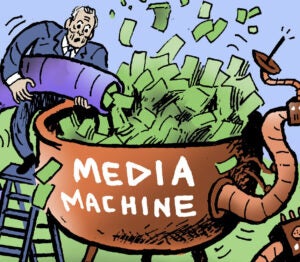
That means roughly $8 billion of ad spend could be up for grabs, and would most likely be divvied up among Instagram, Snapchat, possibly Pinterest and perhaps even an attention-grabbing newcomer, said Worley.
Either way, this will be an unprecedented disruption – for American advertisers, at least. But even larger media companies have gotten their licenses revoked by their respective governments – including Venezuela’s Radio Caracas Televisión in 2007 and the Philippines’ ABS-CBN in 2020.
“You could point to X in Brazil shutting down for a couple weeks. But that was small,” added Wieser. Ouch.
A gaggle of Googles
On the other hand, if Google is forced to break off its ad tech business, as could happen, Wieser thinks it would prove beneficial in the long run.
“They’re going to be more competitive,” he said of Google without the third-party ad tech. “The sum of their parts will likely be greater than the current valuation, so shareholders win in that scenario.”
But what about publishers?
That depends on the “specific flavor of the breakup,” he said. But unless companies have already begun planning for an alternative – which they often don’t when they already feel like they have no other options – then they’re going to get hurt no matter what, said Wieser.
What to do?
Predictions aside, nobody wants to get caught holding the bag if both TikTok and Google face major disruptions.
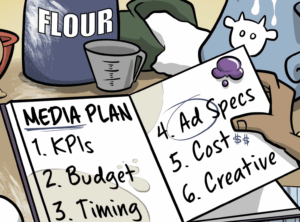
To that end, Wieser and Worley made similar recommendations for both buyers and sellers: namely, to go through proactive scenario planning ahead of time, decide what amount of money will go where, and use the right data to back up your case.
But creativity and adaptability is key as well.
For example, Worley suggested, a brand that’s focused on reaching Gen Z audiences on TikTok might consider pivoting to in-person events and activations.
“Start looking across teams and silos,” she said. “Have those conversations with other teams, and see ways where you could potentially collaborate and continue to reallocate that money in smart ways.”