
If there’s one thing that makes advertising measurement consultant Andrew Covato roll his eyes and shake his head, it’s the endurance of last-click attribution.
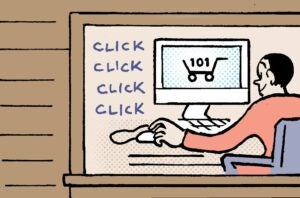
Or, more accurately, it’s the fact that many marketers continue to rely on a metric that only gives credit to the last click a customer makes before converting, even though this undermines ROI and doesn’t prove incrementality.
“There’s still a ton of advertisers out there obsessed with last click. They think it’s so simple, so deterministic and easy … that it’s just really tidy,” Covato says on this week’s episode of AdExchanger Talks. “But the reality of it is that marketing measurement is not tidy, and if you try to make it tidy, you’re probably doing it wrong.”

It’s not surprising that Covato isn’t a fan of last click.
He runs an ad tech and measurement consultancy called Growth By Science, where he helps his clients, including buyers and sellers, take a more scientific, incrementality-oriented approach to advertising measurement.
But he also has a lot of firsthand experience at the walled gardens, which are big beneficiaries of the last-click approach.
For more than a decade, Growth By Science was Covato’s side hustle while he worked in measurement and marketing science roles at eBay, Google, Facebook (pre-Meta), Netflix and, most recently, at Snap as global head of measurement and insights.
In October, he made Growth By Science his full-time gig. His mission, Covato says, is to “proliferate smarter measurement” into the ad tech ecosystem.
And smarter measurement starts with marketers accepting a few home truths, including that it’s finally time to toss last-click and post-exposure attribution onto the ash heap of history.
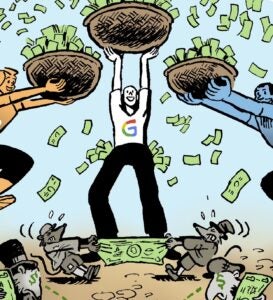
Because beyond being an antiquated approach to measurement, Covato says, it’s also “very dangerous.” The only thing last click is efficient at doing, he says, is transferring ad dollars from the pockets of advertisers into the coffers of large ad platforms.
“Without exaggeration, [last click] is negatively impacting the GDP of any country, of our country,” Covato says, “because it’s causing inefficiencies in the connection of supply and demand and therefore slowing down the machinery of the economy.”
For more articles featuring Andrew Covato, click here.