
How long have we been talking about the coming convergence of ad tech and mar tech? Feels like forever.
There are AdExchanger articles dating back to 2015 that talk about how we’re on the cusp of creating a more unified customer journey – and yet, progress has been slow.
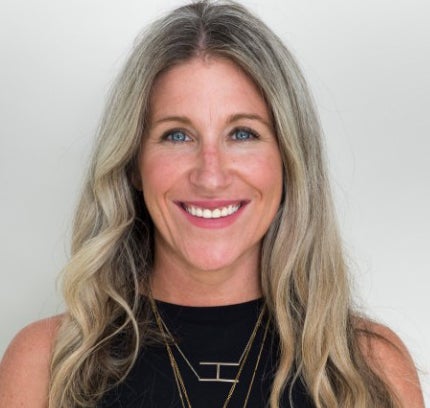
But it’s finally starting to happen, and the time couldn’t be more ripe, says Heather Macaulay, president of product-focused consultancy MadTech, speaking on this week’s episode of AdExchanger Talks. (The penultimate pod of 2024!)
Customer expectations are “higher than ever,” Macaulay says, and to meet them, companies need an integrated approach to advertising and marketing data.

There are three interrelated drivers accelerating the convergence, she says.
One driver is the shift away from third-party signals toward first-party data. Second is the rise of cloud-based platforms that allow data to more easily flow between different parts of an organization. And third, customers have less than zero patience for bad experiences.
“I think it was Scott Brinker who said it: ‘Customers will benchmark the greatest brand experience they had and subconsciously compare all their other experiences to that,’” Macaulay says.
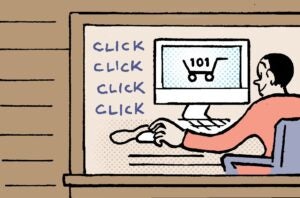
When customers get bombarded with emails or retargeted with a product they already bought, they don’t know – or typically care – why it’s happening. They’re not sympathetic to the fact that there may have been a platform breakdown, say, or that different tech tools aren’t talking to each other. They just remember the less-than-stellar interaction.
“To the average consumer, it’s just frustration and annoyance,” Macaulay says.
So will 2025 finally be the year of ad tech and mar tech convergence? Probably not. There’s still a long row to hoe. But the scene is set, she says, and the technology is there.
“There’s really no excuse for us not to talk more and for the platforms to not communicate as seamlessly as they need to be,” Macaulay says.
Also in this episode: Don’t underestimate the importance of data connectivity, what it means to be a product-focused consultancy – “Organizations don’t just need strategy,” Macaulay says, “they need hands-on development” – and New Year’s resolutions for the advertising industry. Plus: Supporting small, family-owned regional wineries.